
Everything About the Breed
OVERVIEW
The British Shorthair is characterized by its calm, polite temperament, and enduring charm. Known for forming strong bonds with human companions of all ages and showing affection with a dignified manner. They are smart, easy to train and loyal. British cats are curious and enjoy being close to their owners, and on rare occasions can be lap cats. They demonstrate tolerance towards other pets, including dogs and other furry friends. They tend to be quiet, mature slowly, and are relaxed and easygoing. The British Shorthair cat offers several advantages to its owners, such as minimal grooming needs and a typically long lifespan.
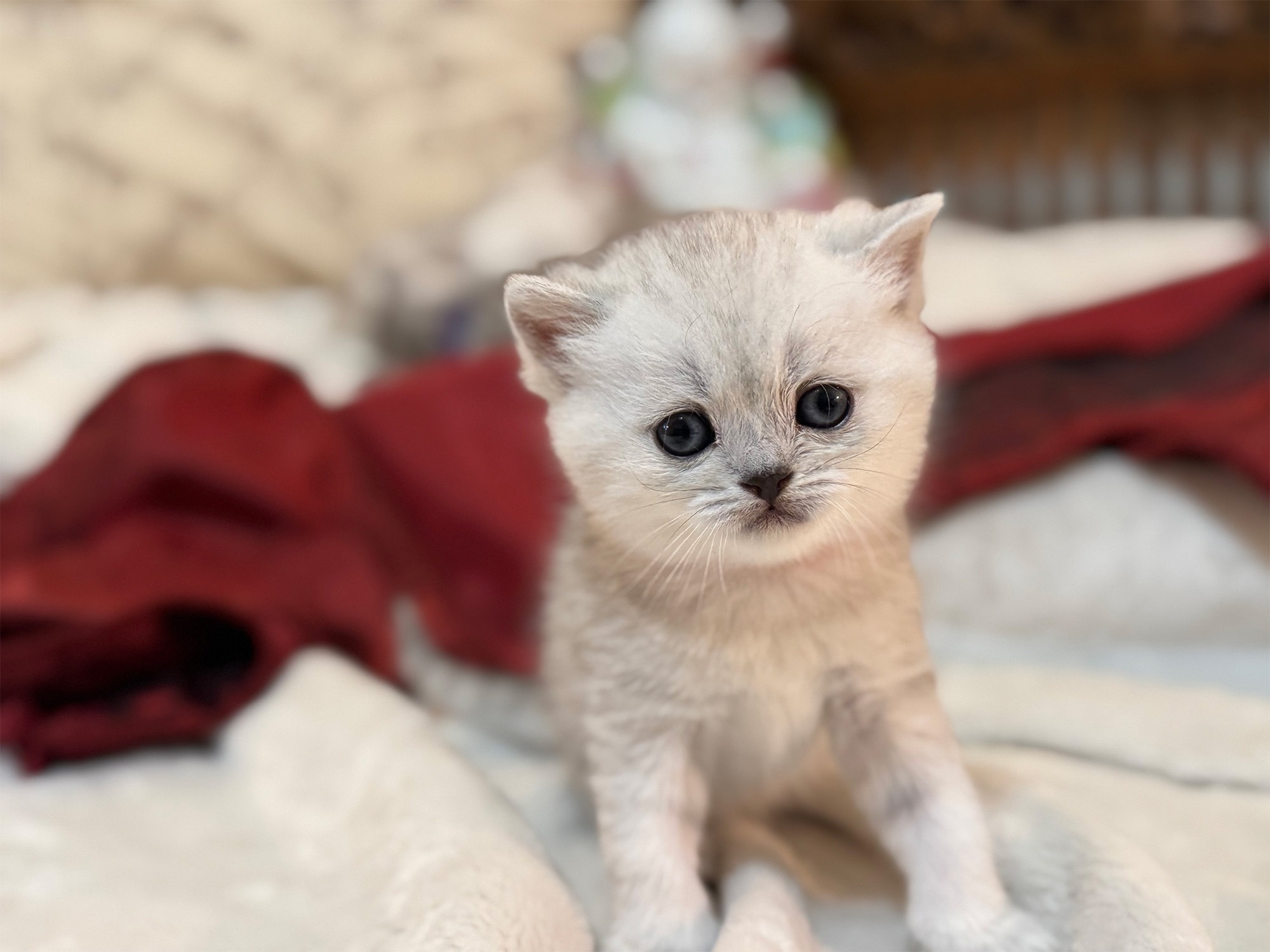
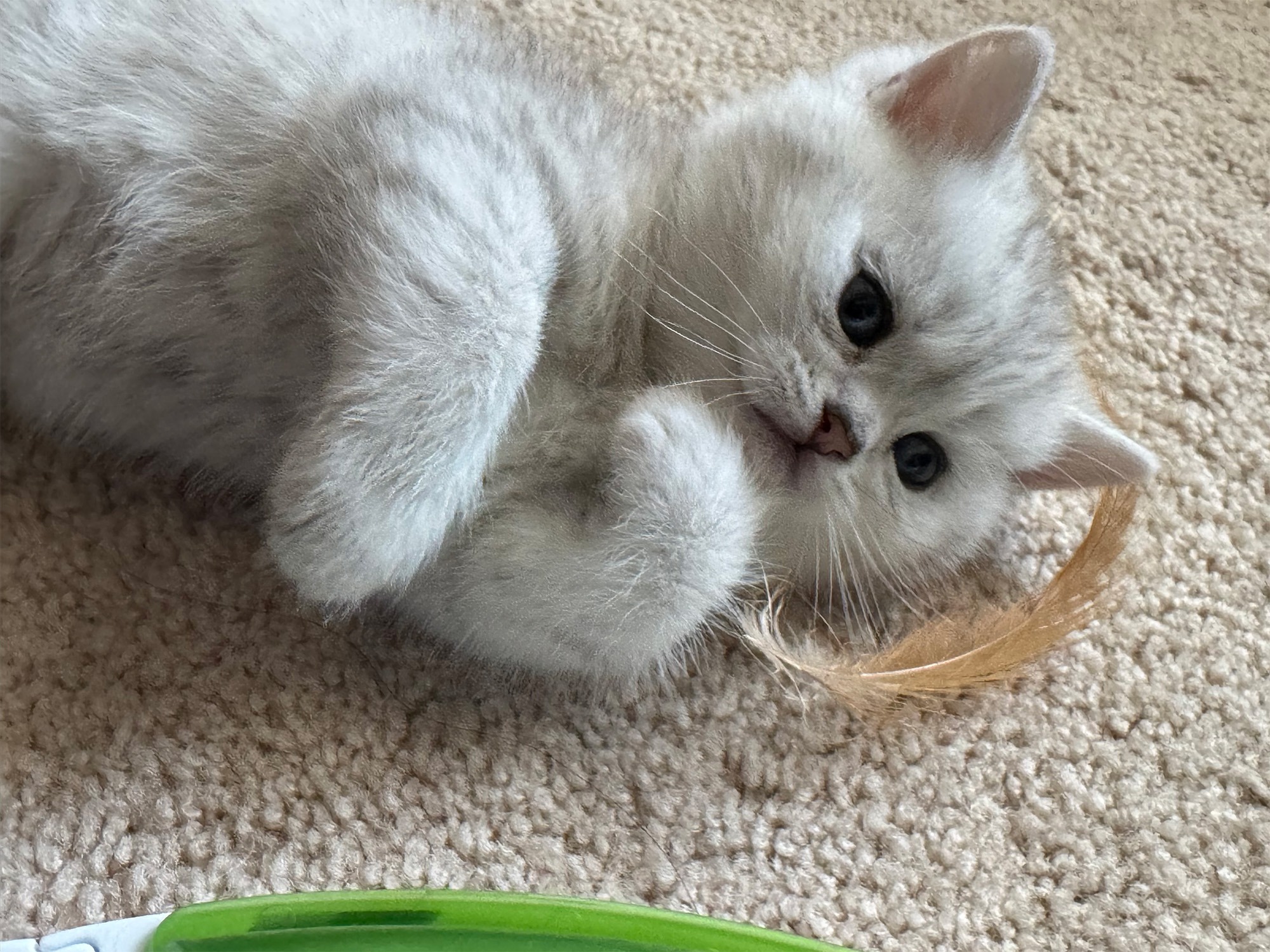
British kittens possess a teddy-bear-like appearance coupled with a comical and affectionate disposition. British cats come in two coat lengths: Shorthair and Longhair. Other than the difference in coat length, they are the same breed, known as British Shorthair and British Longhair. In addition to their adorable appearance, their distinct characteristics and calm demeanor have captured the hearts of many. British cats are not just a beloved pet, but also highly esteemed as a star in the world of cat shows and the cat fancy.
Breed History
FROM ROME TO GREAT BRITAIN & THE VICTORIAN ERA
The British Shorthair is believed to have descended from the domestic cats of ancient Rome, which were brought to England by the Romans during their invasion and rule approximately two thousand years ago. The Romans brought many of these working cats to Britannia to help manage the rodent population. Over time, these cats bred with Britain’s native wild cats, creating the domestic shorthaired cat.
During the nineteenth century, the interest in pedigreed cats grew significantly, particularly in the Victorian era. With the arrival of exotic cats from distant parts of the world, such as the far east and the Orient, some breeders undertook the task of establishing the British Shorthair as a recognized pedigree breed. The British Shorthair is thought to have originated in 1870.
In 1871, a British Shorthair won Best in Show at the inaugural formal cat show, which took place at the Crystal Palace in London, England. This male British Shorthair named, Brynbuboo Little Monarch, was the first adult of any cat breed to earn the title Grand Champion. Nearly every British Shorthair today can trace its lineage back to this cat thanks to his role in breeding.
POST-WORLD WAR I & II DECLINE, REVIVAL & EVOLUTION
The British Shorthair’s popularity decreased during World War I due to new cat breeds and was significantly diminished by the end of World War II. Fortuitously, British breeders aimed to preserve and maintain the survival of the breed by cross-breeding with Persians, Russian Blues, Burmese, and other pedigreed- and non-pedigreed shorthair cats. The conservation efforts for the breed have significantly contributed to the British Shorthair’s distinctive round and robust appearance as seen today. The British Shorthair is not merely another cat breed; it holds the distinction of being the oldest breed in the United Kingdom.
FROM GREAT BRITAIN TO THE UNITED STATES OF AMERICA
British cats have a long European history, but they were only officially recognized in the United States by the late twentieth century, when they first arrived from overseas. In 1980, the British Shorthair was accepted by both The International Cat Association (TICA) and the Cat Fanciers Association (CFA), and the breed achieved championship status by the CFA in 1980.
Physical Characteristics & Personality
ROUNDNESS, SIZE & MATURITY
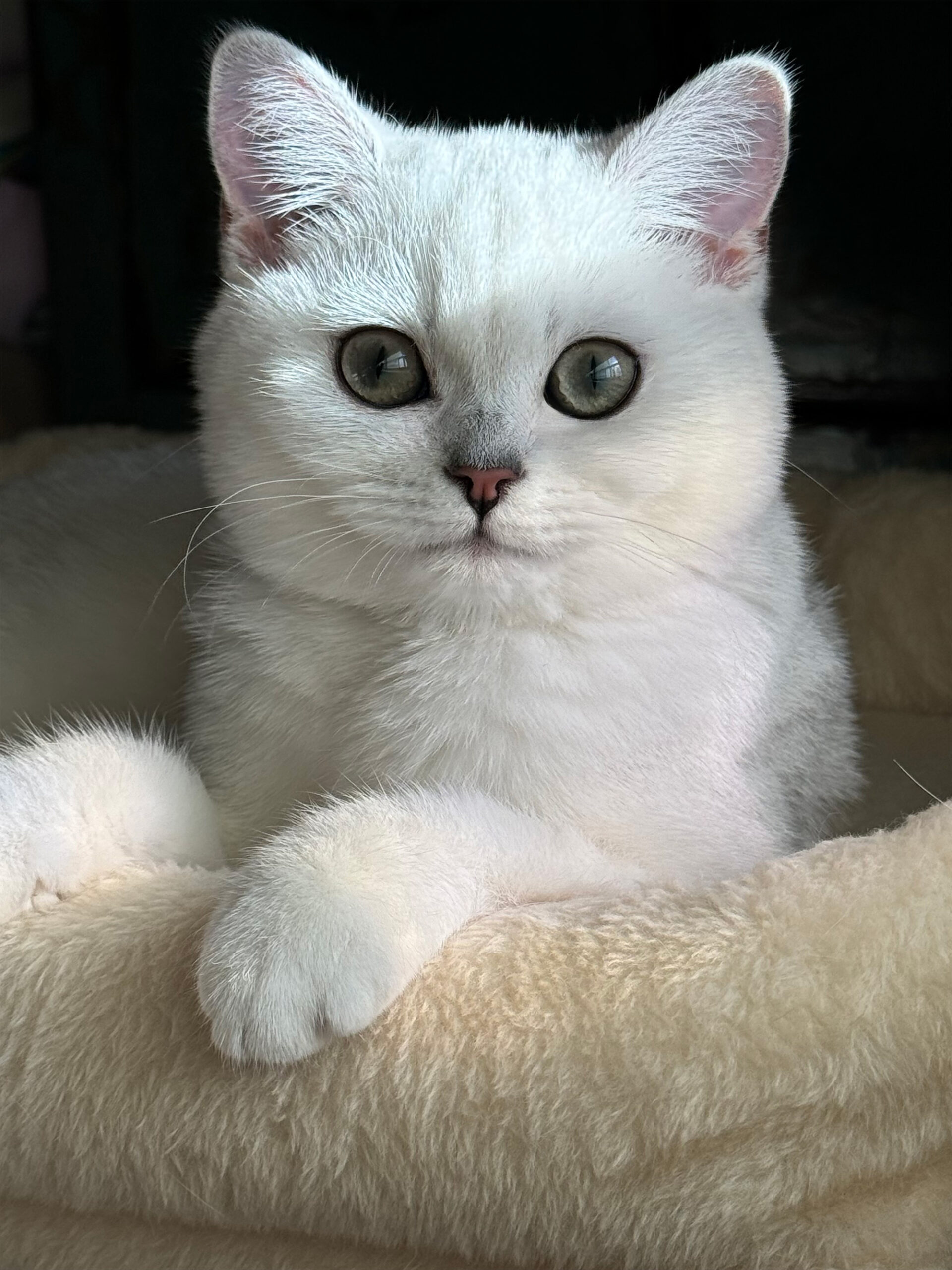
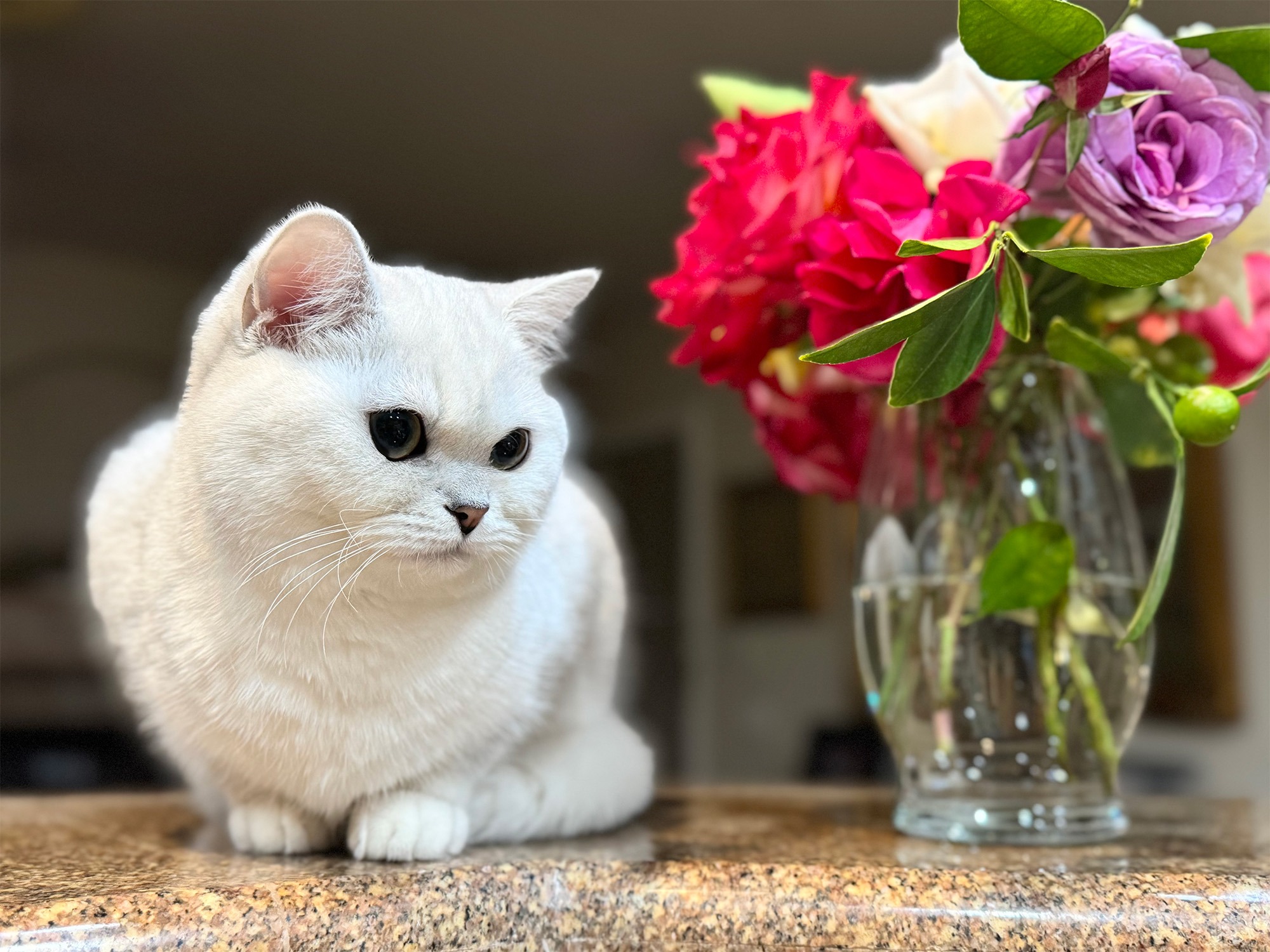
The British Shorthair and Longhair cat is characterized by a muscular body, a broad chest supported by sturdy legs and rounded paws. They possess beautiful rounded features throughout their body. The head is also round, and mature males are known for their signature round chubby cheeks. Their faces are accentuated by prominent whisker pads, large round open eyes, and well-set rounded ears tips that add to their overall rounded appearance. Also, the tail is thick with a rounded end. People often find it heart-warming to see a smiling “teddy bear” face on this loveable breed because of their rounded features.
As for the breed’s size, females typically weigh between 7 to 12 pounds, while males can weigh between 9 to 17 pounds. These cats mature slowly and reach their full maturity around the age of three years.

RELAXED & DIGNIFIED TEMPERAMENT
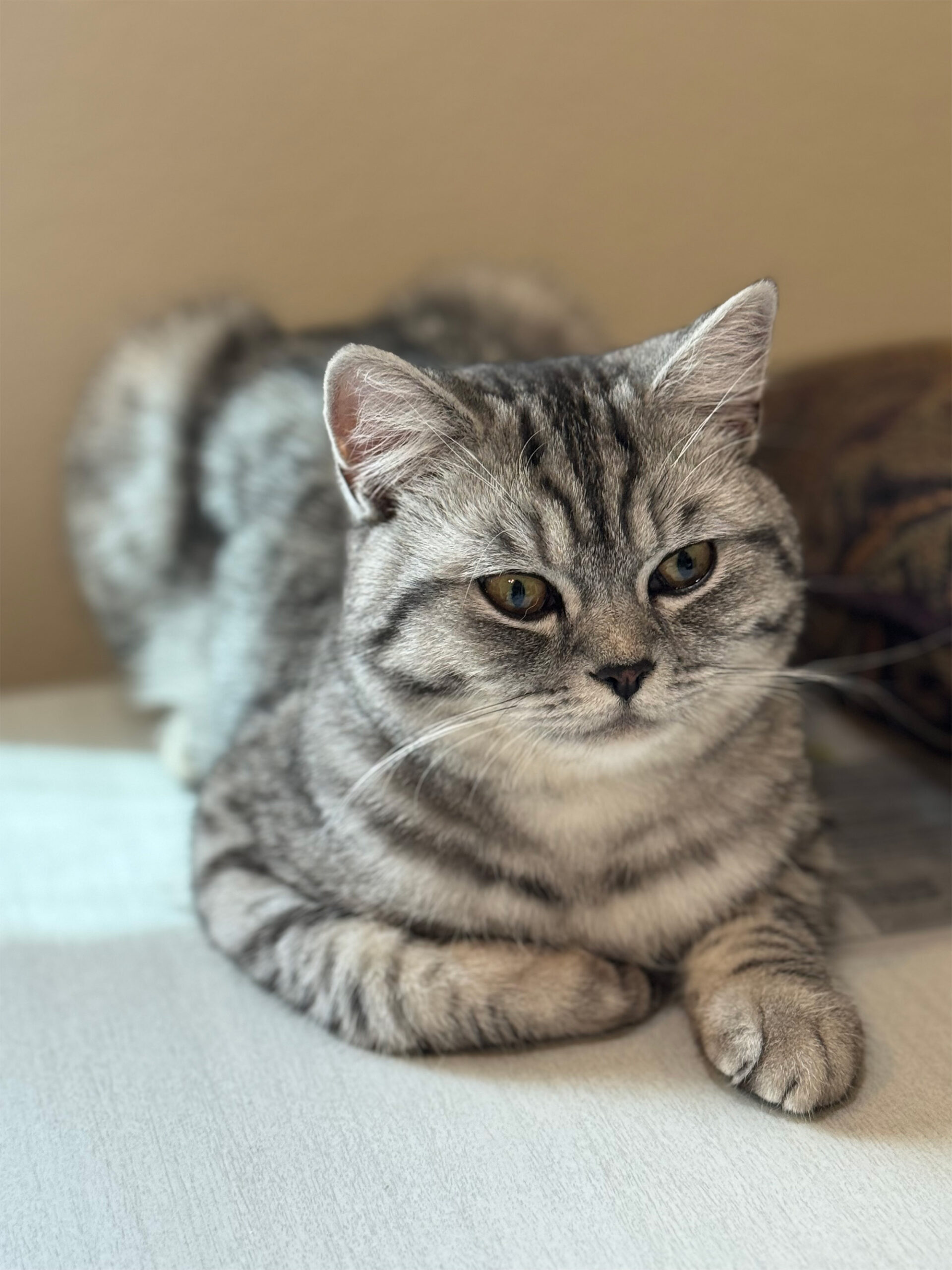
British Shorthair cats are highly regarded for their calm, dignified demeanor, and low levels of activity. This breed is noted for its quiet disposition, intelligence, and loyalty. They are devoted to their owners and are usually loyal to all members of the household. When they trust their owners, the breed will often remain close by or quietly follow their owners. British cats generally prefer to stay beside their owners rather than sit on their laps, although there are occasional exceptions.
When left alone, British Shorthair cats will wait patiently for their owners’ return. They are typically safe around other pets and children, which makes them particularly desirable among pet owners and animal trainers.
Maintenance & Lifespan
MINIMAL GROOMING
The British Shorthair is low maintenance, that needs brushing once or twice a week and occasional baths to remove excess oils. Their coat is plush, dense, and crisp.
The British Longhair needs more grooming due to their long coat. Daily or frequent grooming prevents matting and tangling and keeps the coat healthy and comfortable for the cat.
LONG LIFESPAN
British cats have a typical lifespan ranging from 14 to 20 years, with some data indicating a median lifespan of 11.8 years. In Sweden, the median lifespan is over 12.5 years. Most cats live to at least 10 years, and over half live for 12.5 years or older.